Middle school is a wonderful time for students to explore stories that expand their view of identity, heritage, and culture — while also enjoying strong characters, engaging plots, and thoughtful themes. These five Native American Heritage books do just that. The first four are available on my YouTube channel as part of the First Chapter Friday series (links below). Use the videos to hook students, then dive into the full reads.

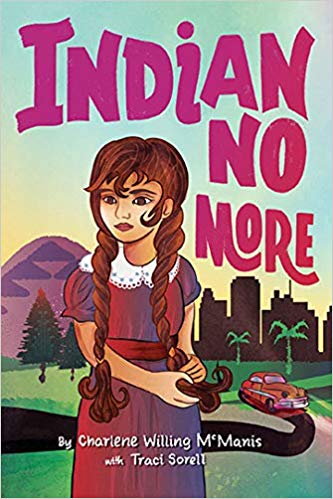
1. Indian No More by Charlene Willing McManis and Traci Sorell
📺 Watch the First Chapter Friday here.
Why I Like It
Set in the 1950s, Indian No More tells the story of Regina Petit, a young Umpqua girl whose tribe is terminated by the U.S. government. When her family must relocate from their Oregon reservation to Los Angeles, Regina faces questions of belonging, identity, and change. I love how it presents a lesser-told piece of Native history while staying accessible and emotionally honest. This is one of my favorite Native American Heritage books
Why It Works for Middle Schoolers
- Rich in historical context, but delivered through the voice of a relatable young protagonist.
- Themes of relocation, identity loss, and adaptation — things many students can connect with.
- Encourages empathy and understanding of Native American experiences.
Classroom Ideas
- Identity Map: Have students create an identity map for Regina: who she is, who she was, how she changes.
- Historical Context Mini-Lesson: Explore “termination” policy of tribes in the U.S., prompting students to research and share.
- Reflective Writing Prompt: Ask students to consider a time they felt “in between” places or cultures, and write about how they managed it.
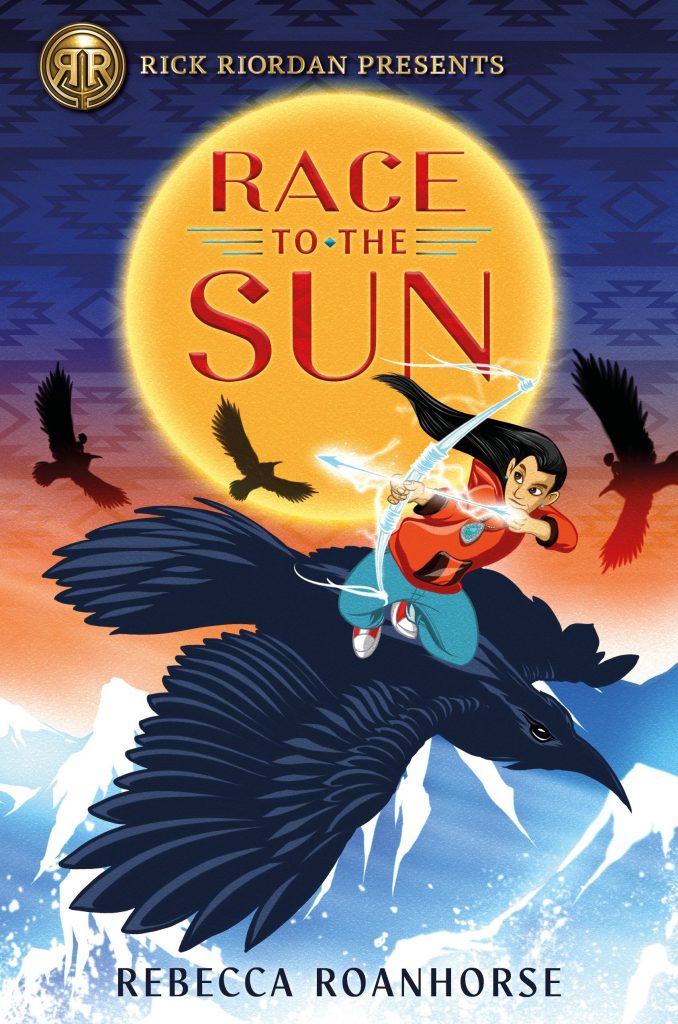
2. Race to the Sun by Rebecca Roanhorse
📺 Watch the First Chapter Friday here.
Why I Like It
This is a powerhouse in the world of Native American Heritage books. This fantasy adventure weaves Navajo mythology into a modern story when Nizhoni Begay discovers she can see monsters and must rescue her father from supernatural forces. It’s high-energy, culturally rich, and totally a “hook” book.
Why It Works for Middle Schoolers
- A fast-paced adventure that appeals to fans of mythology and fantasy.
- Native representation in a genre (fantasy) where it’s too often missing.
- Themes of courage, sibling relationships, and heritage come naturally through the plot.
Classroom Ideas
- Mythology Compare/Contrast: Students compare Navajo mythic creatures to classical mythic creatures they know (Greek, Norse, etc.).
- Character & Power Chart: Map how Nizhoni’s powers emerge, how she changes, and what she learns.
- Book Trailer or Graphic Scene: Students pick a scene and either storyboard or film a short “book trailer” for it—encouraging visualization and text-to-media skills.
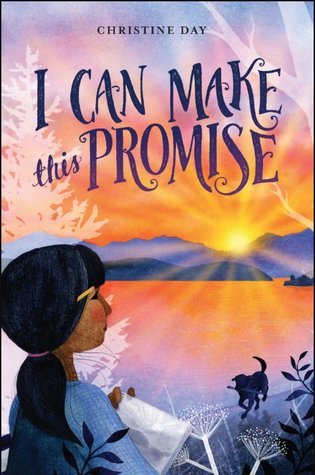
3. I Can Make This Promise by Christine Day
📺 Watch the First Chapter Friday here.
Why I Like It
Edie has always known her mother was adopted — but she has no idea of the full story of her Native heritage until she discovers a box of letters from a woman named “Edith” who looks just like her. Christine Day delivers a heartfelt exploration of identity, memory, and belonging.
Why It Works for Middle Schoolers
- Accessible, emotionally rich writing that invites reflection.
- Themes about family history, discovering roots, and forging identity resonate deeply in middle school.
- Offers strong discussion potential around ancestry, adoption, and cultural heritage.
Classroom Ideas
- Letter Exchange Activity: Inspired by the box of letters in the book, students draft letters to their “past selves” reflecting on identity and future hopes.
- Timeline of Self: Students create a timeline of their own “identity story” (where they are from, what they know, what they want to learn).
- Discussion Prompt: What does “heritage” mean? Has there been something you didn’t know about your family that changed how you saw yourself?
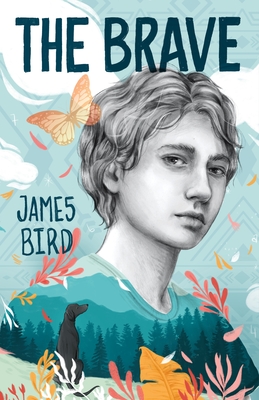
4. The Brave by James Bird
📺 Watch the First Chapter Friday here.
Why I Like It
Collin compulsively counts every letter spoken to him, a manifestation of his OCD and anxiety. After being expelled from yet another school, he goes to live with his Ojibwe mother on a Minnesota reservation and begins to confront what true courage means. James Bird handles neurodiversity, indigenous culture, and emotional growth with sensitivity and strength. You’ll want to add this to your list of Native American Heritage books.
Why It Works for Middle Schoolers
- A protagonist who faces real challenges — mental health, relocation, identity — in a way that middle schoolers can relate to.
- Themes of bravery don’t have to mean physical feats; internal courage is powerful.
- Rich for discussion of self-acceptance, culture, and how we define ourselves.
Classroom Ideas
- “What Bravery Means” Chart: Students brainstorm what bravery means to them, then track how Collin’s understanding of bravery evolves.
- Character Journal: Students keep a journal as if they are Collin, writing entries about his thoughts, feelings, and responses.
- Culture and Place Discussion: How does living on the reservation change Collin’s perspective? What does place mean to identity?
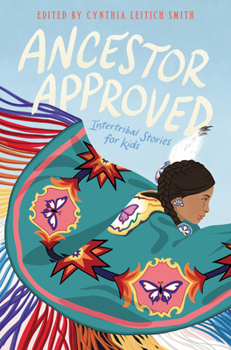
5. Ancestor Approved: Intertribal Stories for Kids edited by Cynthia Leitich Smith
Why I Like It
This anthology brings together contemporary Native authors from many tribes across North America, all centered around a single intertribal powwow setting. Each story stands on its own, but together they create a tapestry of culture, community, and identity. It’s a beautiful celebration of Native life and storytelling for middle-grade readers.
Why It Works for Middle Schoolers
- Offers variety in tone, voice, and style — ideal for reluctant readers, book clubs, or independent reading.
- Shows Native identity not as a monolith, but richly diverse and full of individual stories.
- Promotes discussion about community, heritage, storytelling, and tradition.
Classroom Ideas
- Short Story Stations: Assign different stories from the anthology to reading groups, then rotate and share what each group noticed (voice, character, theme).
- Author Study: Research one of the authors, their tribe, and how that influences their story.
- Celebration of Cultural Stories: Have students find or write a short story that celebrates or reflects their own heritage, then share and compare.
Why These Books Matter
✨ Tip: Use one of the YouTube First Chapter Friday videos to engage students at the start of a unit. Then give them choice: let them pick which book to read in groups or individually.
Activities to Go with Any of These Native American Heritage Books
If you’re looking for a ready-made activity that pairs well with any of the Native American Heritage books listed, I have a few suggestions:
Mini Lesson: Character Identity
This reading skill is a good one to introduce any of your Native American Heritage books. Having kids understand this on a deep level will serve them well now and in the future. Mini lessons should:
- last about 15 minutes, as the point of a reading lesson is to get kids reading, not just talking about reading
- state the objective clearly for kids to understand
- give examples
- explain why the skill matters
- provide a “turn and talk” portion
- give clear directions as to what to do when the lesson is over
If you need a mini lesson on character identity, head to my store. I also have a whole set of reading mini lessons that you can check out as well.
Hexagonal Thinking
This is a fun way to make connections between ideas, characters, and themes from a book — and it works perfectly with Race to the Sun by Rebecca Roanhorse. In this fast-paced fantasy rooted in Navajo mythology, students can explore cultural elements, heroism, and identity through meaningful connections.
Students get hexagon-shaped cards with words or phrases from the story, like “Navajo legends,” “Monsters,” “Sun God,” “Courage,” and “Family.” They place the hexagons so that related ideas touch each other, then explain how those ideas connect.
For example, students might connect “Family” and “Courage” as Nizhoni faces danger to rescue her father, showing bravery rooted in love. They might link “Navajo legends” and “Monsters,” discussing how Roanhorse blends traditional stories with modern adventure to highlight the power of cultural heritage.
It’s hands-on, creative, and sparks powerful conversations — perfect for helping students connect deeply with Race to the Sun while celebrating Native American Heritage and storytelling traditions.
Want a ready-made hexagonal thinking activity? Click here to see my Hexagonal Thinking for Any Novel in my TPT store.

Digital Reading Notebook
A digital notebook keeps middle school reading activities organized, accessible, and engaging. Students can work anywhere, keep all their notes in one place, and easily add visuals, audio, or text. Teachers can give quick feedback, track progress, and avoid the problem of lost or messy papers—plus, it creates a shareable portfolio of each student’s growth.
My Middle School Digital Reading Notebook on TPT makes this even easier. It’s ready to use with 10 comprehension-focused entries—covering theme, setting, symbolism, character traits, and more—plus daily lesson plans, examples, guiding questions, and editable rubrics. Perfect for any novel, it simplifies planning and makes Native American Heritage books more interactive and meaningful. Grab it here: Digital Notebook for Any Novel

Reading Centers
Centers are a great way to get kids into the skills you are teaching, and can really help with teaching Native American Heritage books. Centers should:
- be hands-on/minds-on
- teach skills in a clear, precise manner
- offer different types of activities/modalities
- offer a creative way to learn difficult material
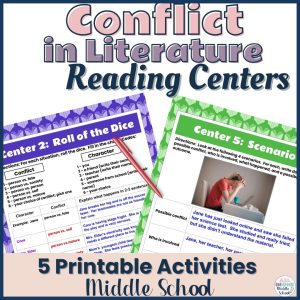
If you’d like to grab a ready-made center pack to go with the mini lesson on conflict, you can grab those centers here. I also have an entire collection of centers that reinforce reading strategies in my TPT store.
Wrapping Up Your Native American Heritage Books List
These five titles are more than just “good reads” — they serve as windows into culture, identity, and experience. Whether honoring Native American Heritage Month (November) or weaving diverse voices into your curriculum year-round, these books are essential additions to a classroom library.
Any questions or comments? I’d love to hear if you incorporate Native American Heritage books into your curriculum. I can also help if you have specific questions. Drop a comment below!
Wishing you all the best! See you next month.
-Linda A. “All in One Middle School“
Looking for Help in the Classroom? Join My Membership!

Teaching is stressful, especially if you are new. That’s why I’ve developed a membership for ELA teachers. This has been highly requested. It’s something I’ve been wanting to do because I know how ill-prepared many new teachers are after college. This has nothing to do with the teachers and everything to do with teachers’ colleges and the lack of good onboarding in districts in our country.
It’s a very robust membership. Some of the highlights:
- Complete curriculum map with access to 9 full-month units for the year, complete with daily lesson plans
- Access to a novel study, literacy centers, mini-lessons, a full-year grammar program, choice boards, video lessons, and seasonal activities
- Doodle Notes – creative graphic organizers to enhance and engage your students with tough topics
- Daily Activities – an activity for each day of the school year; use as a “bell ringer”, exit ticket, or as a learning center
- Access to a private Facebook group, where I can answer your questions and go live to help you with more complex units
Click here for more information. As of now, we are in the “founding members” stage. You can lock into the price for as long as you keep up your membership. I’d love to have you!
Helpful Links:
- Join the Membership
- YouTube Channel – Free First Chapter Friday and ELA Lessons!
- Mini Lesson: Character Identity
- Reading Mini Lessons
- Reading Centers
- Hexagonal Thinking for Any Novel
- Digital Notebook for Any Novel
- Teaching Writing Workshop Course
- Click here to join the Middle School Language Arts Facebook Group