September is the perfect time to refresh your classroom reading list, especially as we celebrate Hispanic Heritage Month. Middle school students can gain empathy, cultural understanding, and inspiration through stories that reflect diverse experiences. These five books—Esperanza Rising, The House on Mango Street, The Other Half of Happy, The Circuit, and The Poet X—offer powerful narratives that spark discussion, encourage critical thinking, and connect students to real-world experiences. Incorporating these titles into your September reading plans allows teachers to engage students with meaningful literature while honoring the voices and stories of Hispanic communities.
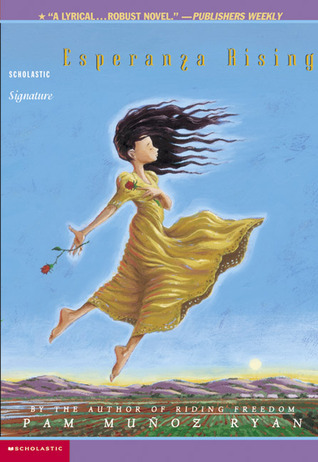
1. Esperanza Rising by Pam Muñoz Ryan
Why I Like It:
Esperanza Rising is a beautifully written story of resilience, hope, and family. It follows Esperanza, a young girl from a wealthy Mexican family, as her life changes dramatically when she and her mother must flee to the United States during the Great Depression. The rich cultural details, emotional depth, and relatable themes make it a story that sticks with students.
Why It Works:
This novel works well for middle schoolers because it combines historical context, strong character development, and universal themes like perseverance and identity. Students can connect with Esperanza’s challenges and growth while gaining insight into Mexican culture and immigrant experiences.
Practical Classroom Ideas:
- Character Journals: Have students write journal entries from Esperanza’s perspective at key moments in the story. This develops empathy and narrative skills.
- Cultural Exploration: Students can research the historical context of Mexican migrant workers during the Great Depression and present findings in a short report or visual poster.
- Theme Discussions: Use guided questions to explore themes of resilience, family, and social justice. Students can create small-group discussions or debate activities around decisions Esperanza makes.
- Creative Writing: Ask students to imagine a “new chapter” for Esperanza, describing her life in the U.S. years later, encouraging them to use descriptive language and cultural details.
Click here for a link to this book on First Chapter Friday on my YouTube channel!
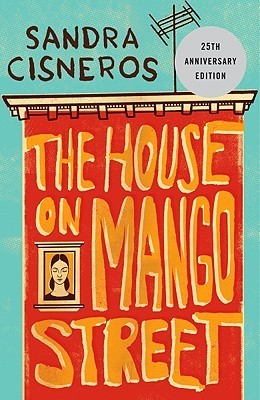
2. The House on Mango Street by Sandra Cisneros
Why I Like It:
The House on Mango Street is a poetic, vignette-style novel that captures the voice of Esperanza Cordero, a young Latina girl growing up in Chicago. Its lyrical style, vivid imagery, and honest exploration of identity, community, and belonging make it a timeless and engaging read for middle schoolers.
Why It Works:
The short vignettes make it approachable for students who may be intimidated by longer novels, while the themes of self-discovery, culture, and empowerment resonate with young readers. The text is also flexible for cross-curricular activities in writing, art, and social studies.
Practical Classroom Ideas:
- Vignette Writing: Have students write their own short vignettes about their neighborhoods or personal experiences, focusing on voice and sensory details.
- Character Maps: Students can create a visual map of Esperanza’s relationships and community, connecting events in the book to broader social themes.
- Discussion Circles: Explore topics like gender expectations, dreams, and identity in small groups, encouraging students to connect personal experiences with the text.
- Poetry Connections: Use excerpts to inspire students to write free verse or sensory poems that reflect their own cultural or family experiences.
Click here for a link to this book on First Chapter Friday on my YouTube channel!
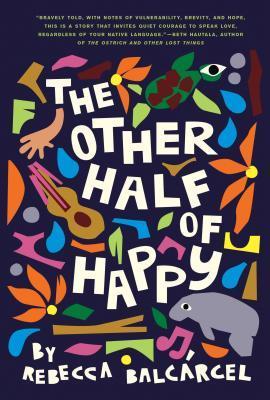
3. The Other Half of Happy by Rebecca Balcárcel
Why I Like It:
The Other Half of Happy is a heartfelt story about a Guatemalan-American girl navigating life between two cultures while dealing with family changes, friendships, and self-discovery. It’s relatable, honest, and filled with humor and warmth, making it easy for middle school students to connect with the main character.
Why It Works:
The novel works well for middle school readers because it addresses real-life issues like identity, cultural belonging, and family dynamics in an age-appropriate and engaging way. It also introduces students to Latinx experiences that may be different from their own, encouraging empathy and discussion.
Practical Classroom Ideas:
- Identity Charts: Have students create visual charts exploring their own cultural identity, family traditions, and personal values, then compare them to the protagonist’s experiences.
- Discussion Prompts: Encourage students to discuss topics like bicultural identity, sibling relationships, and friendship challenges, fostering both critical thinking and personal reflection.
- Creative Writing: Ask students to write a “letter to their future self” inspired by the character’s growth, encouraging reflection on goals, challenges, and personal values.
- Cultural Research Project: Students can research Guatemalan culture, traditions, or cuisine and share findings through presentations, posters, or short videos.
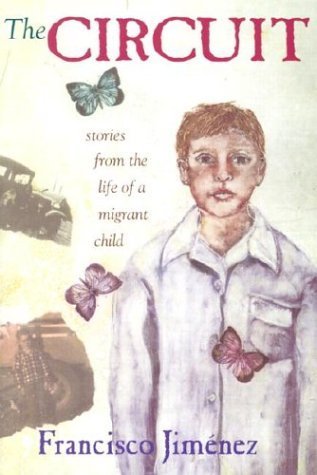
4. The Circuit by Francisco Jiménez
Why I Like It:
The Circuit is a powerful, semi-autobiographical story about a young boy, Panchito, who moves with his family as migrant farm workers across California. The story captures the challenges of poverty, constant relocation, and adapting to new schools, while highlighting the resilience and determination of Panchito and his family.
Why It Works:
This book is effective for middle school students because it offers a realistic portrayal of immigrant experiences and social challenges. Its short chapters make it approachable, and the narrative fosters empathy, discussion, and critical thinking about social justice and perseverance.
Practical Classroom Ideas:
- Timeline Activity: Have students create a timeline of Panchito’s moves and major life events, linking them to themes of family, education, and resilience.
- Discussion Circles: Encourage conversations about migrant labor, family sacrifices, and the importance of education, allowing students to connect the story to contemporary issues.
- Journal Reflections: Students can write from Panchito’s perspective or their own, reflecting on adapting to new situations or overcoming obstacles.
- Mapping Exercise: Students can map Panchito’s journey on a U.S. map, integrating geography with literature and fostering spatial awareness.
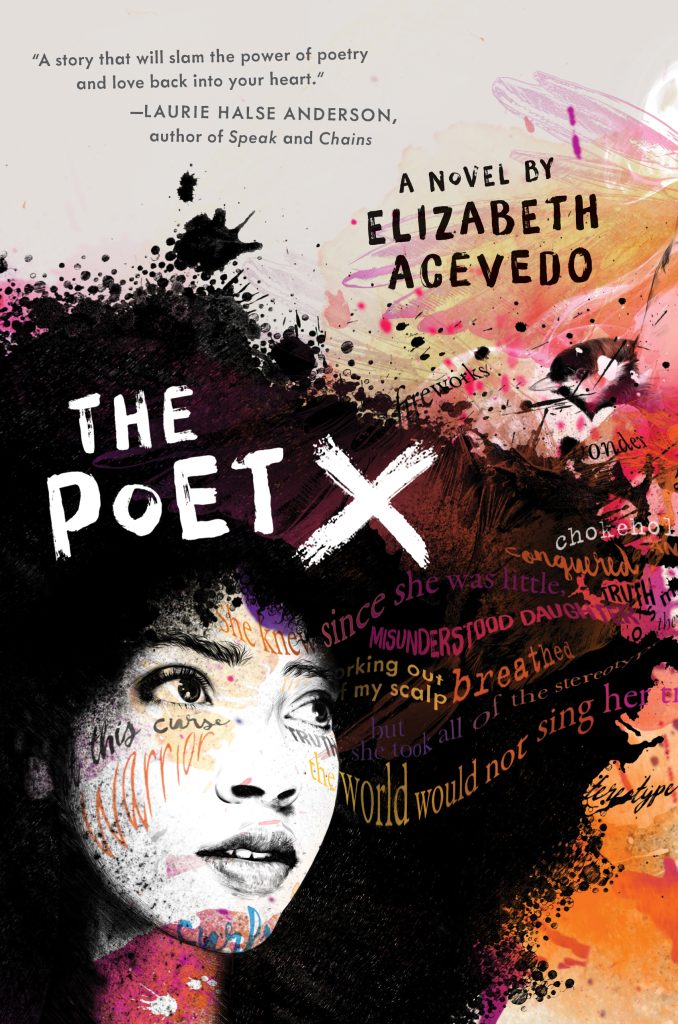
5. The Poet X by Elizabeth Acevedo
Why I Like It:
The Poet X is a dynamic, verse novel that tells the story of Xiomara, a young Dominican-American girl finding her voice through poetry. Its raw emotion, rhythmic style, and authentic portrayal of adolescence, identity, and family struggles make it incredibly engaging for middle school readers.
Why It Works:
This novel works well because it combines poetry with narrative, making it accessible to students who may be hesitant about traditional prose. The themes of self-expression, empowerment, and cultural identity resonate strongly with middle schoolers, encouraging reflection and discussion.
Practical Classroom Ideas:
- Poetry Writing: Have students write their own poems inspired by Xiomara’s experiences, focusing on voice, rhythm, and imagery.
- Verse Analysis: Examine how the author uses line breaks, stanza structure, and figurative language to convey emotion and meaning.
- Discussion Prompts: Explore topics like identity, family expectations, and personal expression, encouraging students to share their perspectives.
- Performance Poetry: Students can perform their poems aloud or in small groups, building confidence, fluency, and appreciation for spoken word.
Activities to Go with Any of These Books
If you’re looking for a ready-made activity that pairs well with any of the books listed, I have a few suggestions:
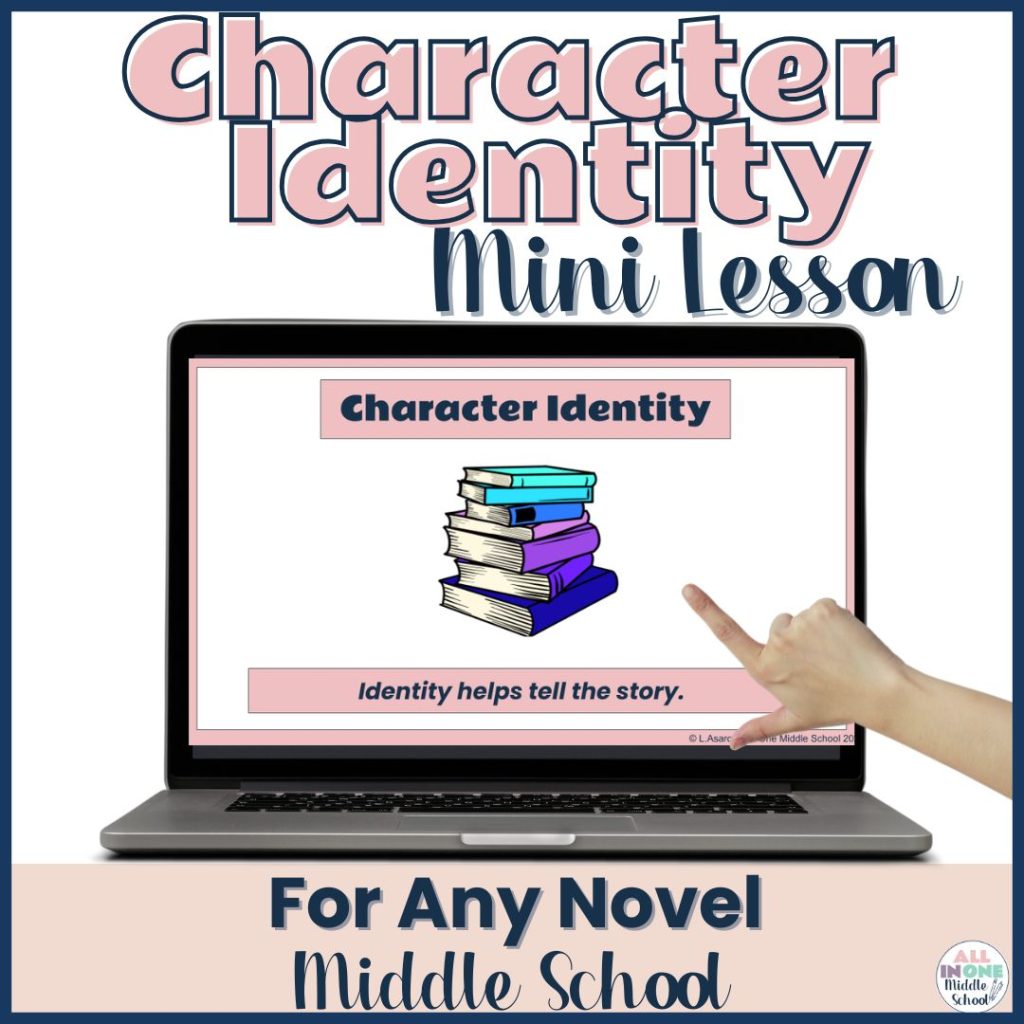
Mini Lesson: Character Identity
This reading skill is a good one to introduce with any novel, but especially for novels that deal with struggles with identity. Having kids understand this on a deep level will serve them well now and in the future. Mini lessons should:
- last about 15 minutes, as the point of a reading lesson is to get kids reading, not just talking about reading
- state the objective clearly for kids to understand
- give examples
- explain why the skill matters
- provide a “turn and talk” portion
- give clear directions as to what to do when the lesson is over
If you need a mini lesson on character identity, head to my store. I also have a whole set of reading mini lessons that you can check out as well.
Hexagonal Thinking
This is a fun way to make connections between ideas, characters, and themes from a book. Students get hexagon-shaped cards with words or phrases from the story, like character names, themes, settings, or big ideas. They place the hexagons so that related ideas touch each other, then explain how the ideas connect.
For example, if students are reading Esperanza Rising by Pam Muñoz Ryan (a novel about a young Mexican girl adjusting to life as a farmworker in California), one hexagon might say “Perseverance,” another “Family,” and another “Injustice.” Students might connect “Perseverance” and “Family” because Esperanza finds strength to endure hardship by caring for her mother and others in the migrant camp.
It’s hands-on, creative, and sparks great discussions — perfect for deepening September reading connections.
Want a ready-made hexagonal thinking activity? Click here to see my Hexagonal Thinking for Any Novel in my TPT store.

Digital Reading Notebook
A digital notebook keeps middle school reading activities organized, accessible, and engaging. Students can work anywhere, keep all their notes in one place, and easily add visuals, audio, or text. Teachers can give quick feedback, track progress, and avoid the problem of lost or messy papers—plus, it creates a shareable portfolio of each student’s growth.
My Middle School Digital Reading Notebook on TPT makes this even easier. It’s ready to use with 10 comprehension-focused entries—covering theme, setting, symbolism, character traits, and more—plus daily lesson plans, examples, guiding questions, and editable rubrics. Perfect for any novel study, it simplifies planning and makes September reading more interactive and meaningful. Grab it here: Digital Notebook for Any Novel

Reading Centers
Centers are a great way to get kids into the skills you are teaching, and are especially important for September reading. This will set the stage for the year. Centers should:
- be hands-on/minds-on
- teach skills in a clear, precise manner
- offer different types of activities/modalities
- offer a creative way to learn difficult material
If you’d like to grab a ready-made center pack to go with the mini lesson on character traits, you can grab those centers here. I also have an entire collection of centers that reinforce reading strategies in my TPT store.

Wrapping Up Your September Reading List
Celebrating Hispanic Heritage Month in your middle school classroom is a wonderful opportunity to engage students with diverse voices and meaningful stories. These five books—Esperanza Rising, The House on Mango Street, The Other Half of Happy, The Circuit, and The Poet X—offer a mix of historical, contemporary, and poetic narratives that foster empathy, cultural understanding, and critical thinking.
By incorporating these titles into your September reading plans, teachers can spark lively discussions, inspire creative writing, and help students see the world through different perspectives. Whether through character journals, poetry exercises, or interactive projects, each book provides opportunities for students to connect personally while exploring important themes like identity, family, resilience, and self-expression.
Make this September a month of discovery, reflection, and meaningful reading—your students will walk away not only with a deeper appreciation for literature but also with a broader understanding of the rich Hispanic cultural heritage that shapes our communities.
Helpful Links:
- Join the Membership
- YouTube Channel – Free First Chapter Friday and ELA Lessons!
- Reading Mini Lessons
- Character Identity Mini Lesson
- Reading Centers
- Hexagonal Thinking for Any Novel
- Digital Notebook for Any Novel
- Teaching Writing Workshop Course
- Click here to join the Middle School Language Arts Facebook Group